The Art of Emotional Intelligence: Understanding, Nurturing, and Thriving with Empathy
The Art of Emotional Intelligence: Understanding, Nurturing, and Thriving with Empathy
Introduction
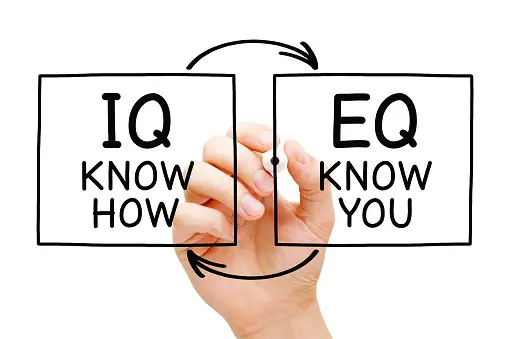
In a world driven by technology and data, emotional intelligence emerges as a precious skill that sets humans apart from machines. Emotional intelligence, often referred to as EQ, encompasses the ability to understand and manage emotions, as well as empathize with others. This profound skill not only influences our personal relationships but also profoundly impacts our success in various spheres of life. In this blog, we will explore the significance of emotional intelligence, its essential components, and how cultivating EQ can lead to a more fulfilling and harmonious life.
Defining Emotional Intelligence
Emotional intelligence refers to the capacity to recognize, understand, manage, and express emotions effectively. It involves not only recognizing and acknowledging one's emotions but also comprehending the emotions of others and responding empathetically. EQ entails being in tune with emotions, using them constructively, and fostering healthier relationships.
The Components of Emotional Intelligence
Self-Awareness: This component involves recognizing and understanding our emotions, strengths, weaknesses, and triggers. Self-aware individuals have a clear understanding of their values and motivations, which guides their actions.
Self-Regulation: Self-regulation is the ability to manage and control emotions effectively. It involves responding thoughtfully rather than reacting impulsively to situations.
Empathy: Empathy is the ability to understand and share the feelings of others. Empathetic individuals can connect with others on an emotional level and offer support and understanding.
Social Skills: Social skills encompass effective communication, conflict resolution, and the capacity to build and maintain meaningful relationships.
Motivation: Motivation involves the drive to pursue goals, remain optimistic despite challenges, and bounce back from setbacks.
The Importance of Emotional Intelligence
Emotional intelligence is instrumental in various aspects of life:
Personal Relationships: EQ plays a pivotal role in nurturing healthy relationships, fostering empathy, and understanding the emotions of loved ones.
Leadership and Management: Effective leaders and managers are those who can empathize with their team members, communicate effectively, and handle conflicts with emotional intelligence.
Workplace Success: EQ influences productivity, teamwork, and job satisfaction in the workplace.
Mental Health: Cultivating emotional intelligence can contribute to improved mental health, as individuals learn to manage stress and handle emotions more effectively.
Cultivating Emotional Intelligence
Practice Self-Reflection: Engage in self-reflection to understand your emotional triggers, reactions, and patterns. Journaling can be a helpful tool for this purpose.
Develop Empathy: Practice active listening and put yourself in others' shoes to understand their perspectives and emotions.
Manage Stress: Learn stress management techniques such as mindfulness, deep breathing, and time management.
Develop Social Skills: Engage in social situations and practice effective communication and active listening.
Seek Feedback: Be open to feedback from others and use it as an opportunity for personal growth.
Be Mindful of Your Emotional State: Pay attention to your emotions in the present moment and understand how they may impact your actions and decisions.
Conclusion
Emotional intelligence is a vital skill that enables us to navigate the complexities of life with empathy, self-awareness, and resilience. Cultivating emotional intelligence can lead to healthier relationships, enhanced well-being, and success in various domains of life. By understanding and managing our emotions effectively, we can create a positive impact on ourselves and those around us. Embrace the journey of developing emotional intelligence, and unlock the power of empathy and self-awareness to lead a more fulfilling and harmonious life. Remember, emotional intelligence is a skill that can be nurtured and refined, making it an invaluable asset on the path to personal growth and meaningful connections with others.


Comments
Post a Comment